Understanding Cataract Surgery before your visit
This detailed guide explains the common concerns, consultation process, possible care pathways and practical next steps related to Cataract Surgery. Use it to prepare for a conversation with an eye specialist.
A clear starting point for Cataract Surgery
Cataract Surgery care begins with understanding the person, not just the symptom. At Shree Retina Care, the department is part of a super speciality eye hospital serving Raipur and across Chhattisgarh. The purpose of an appointment is to listen carefully, examine the eyes and explain what the findings may mean in language that is easy to follow.
The Cataract Surgery service focuses on the natural lens inside the eye, which can become cloudy and reduce the clarity of everyday vision over time. Because the eye works as one connected system, a change that feels small can have several possible explanations. A careful examination helps separate a temporary irritation from a condition that needs monitoring or active treatment. It also gives the patient a chance to discuss work, study, driving, screens, family responsibilities and any worry about vision.
A cataract clouds the eye’s lens and can make reading, walking and driving difficult. The hospital lists cataract surgery as one of its specialist services. This page is designed as a useful educational overview. It cannot replace an examination, diagnosis or personalised advice from a qualified eye specialist.
What people commonly notice
People reach the Cataract Surgery department with different experiences. Common concerns can include hazy vision, glare around lights, faded colours, difficulty reading, frequent prescription changes or trouble driving in low light. The timing, speed and pattern of a change matter. A symptom that appears suddenly should be described differently from a gradual change that has been present for months. It is helpful to note which eye is affected, whether the symptom is constant, and whether it changes with light, reading or activity.
Not every symptom means the same thing, and online searches can make a patient more anxious without providing an answer. New floaters, flashes, a curtain-like shadow, a sudden drop in vision, severe pain or marked redness should be treated as reasons to seek prompt guidance. If the change is less urgent but continues to affect daily life, arranging a routine consultation is still worthwhile. Early assessment often makes the next decision clearer.
How the first consultation works
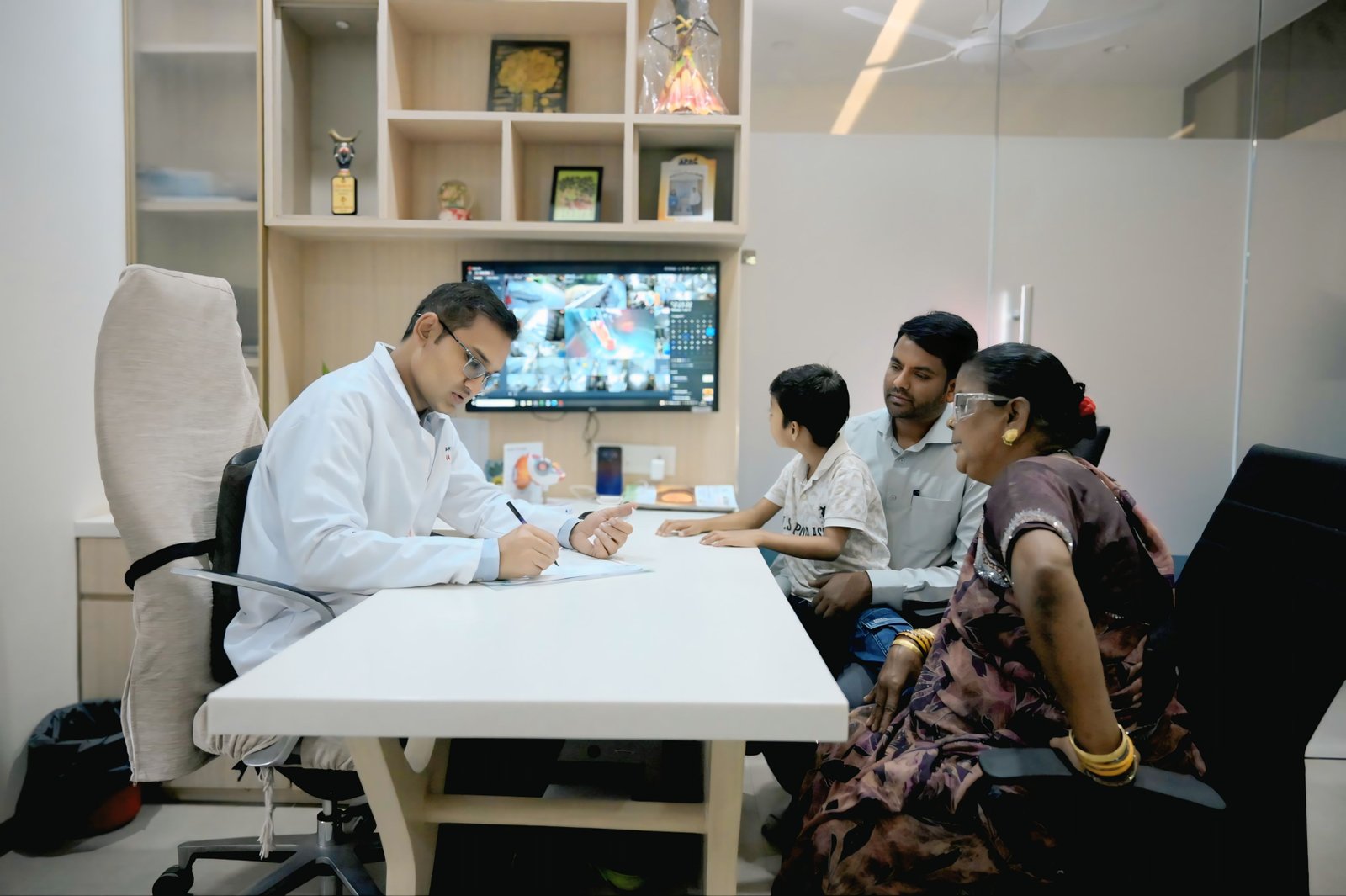
A first consultation usually starts with questions about the current concern, previous eye care, general health, medicines, allergies and family history. Please bring previous prescriptions, reports, scans and a list of regular medicines when available. For children, parents can note when the concern was first noticed and whether teachers have observed difficulty in class. For surgery discussions, share contact lens use, previous procedures and your normal visual demands.
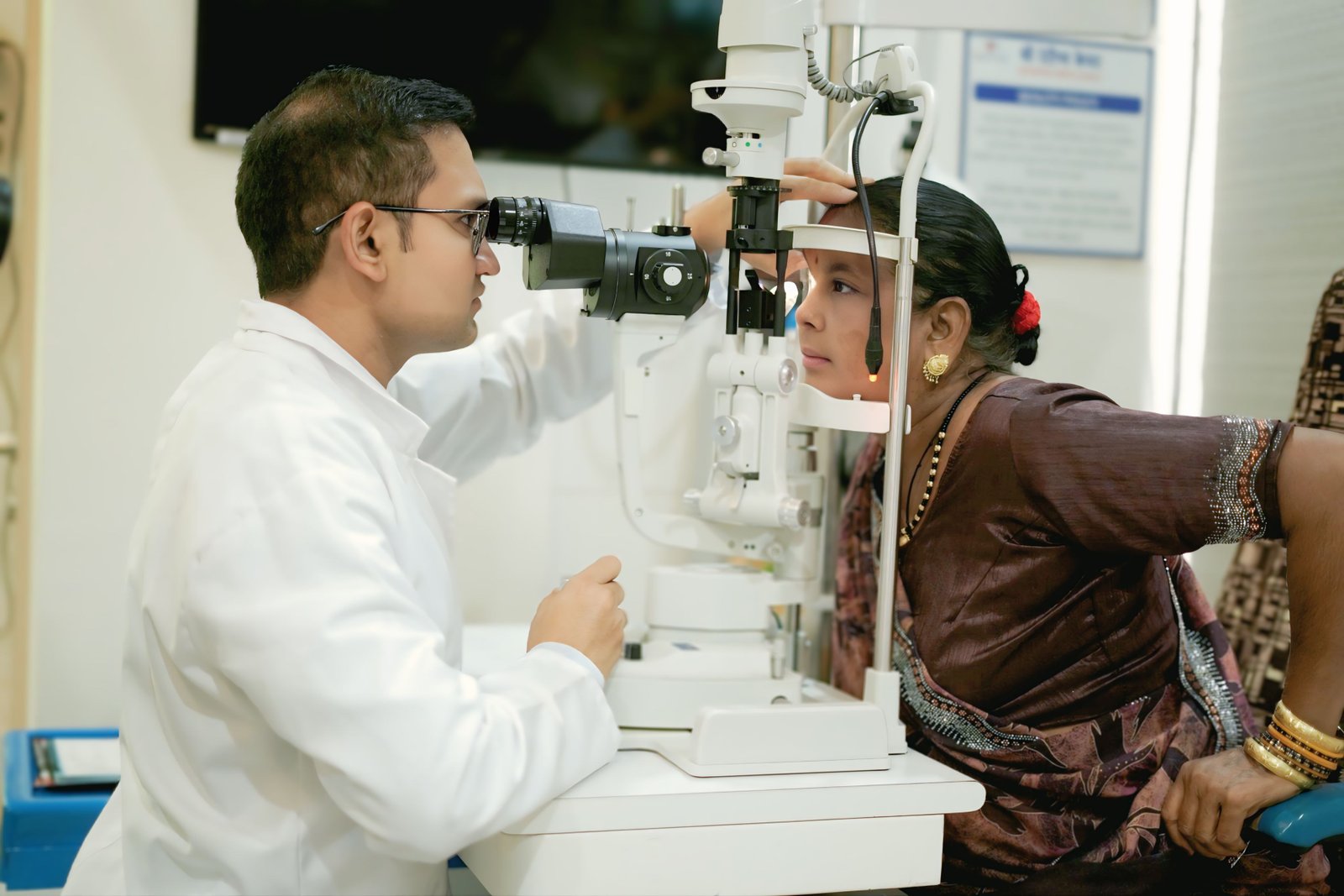
The examination may include vision testing, eye pressure, microscope examination and a dilated view of the inside of the eye. Depending on the concern, the team may recommend visual acuity, refraction, slit-lamp examination, dilated eye-health review, eye measurements and a conversation about daily visual priorities. Tests are selected for a clinical reason; an image or number is only useful when interpreted alongside the examination and history. The doctor should explain what has been found, what remains uncertain and whether a follow-up comparison is important.
Understanding possible care pathways
There is no single treatment that fits every person with Cataract Surgery. After the assessment, the care team may recommend observation, medicines, a procedure, surgery or a second review before making a decision. For this service, possible approaches can include surgery may be considered when the cataract affects daily life, followed by prescribed drops, protection and reviews to monitor healing. The right option depends on the diagnosis, severity, visual needs, other health conditions, previous treatment and the risks and benefits discussed with you.
A good consultation is also a shared decision. Ask what the aim of the recommended care is, what happens if you wait, how many visits may be needed, what recovery could involve and which warning signs should prompt a call. Be cautious of promises of guaranteed results. Responsible eye care explains suitability and uncertainty honestly, because the safest plan is built around the actual examination rather than a generic package.
Preparing for your visit
Small preparations can make a consultation more useful. Carry your current glasses, old prescriptions, medical reports and medication list. Tell the team about diabetes, blood pressure, thyroid disease, pregnancy, allergies or any previous eye operation. If dilation is planned, vision may feel temporarily bright or blurred, so consider bringing sunglasses and arranging help with driving if that is advised. Children often respond better when the visit is explained as a simple check rather than something to fear.
Write down your most important questions before arriving. You may want to ask what the diagnosis means, whether both eyes are involved, which tests are needed, how soon a review is required and what you can safely do at home. If you do not understand a word, ask for it to be explained again. Clear communication is part of safe care, and your questions help the doctor tailor the conversation to your needs.
Supporting eye health between reviews
Long-term eye health is supported by habits that are practical and consistent. For Cataract Surgery, this can include bringing medicines and reports, arranging transport when advised, avoiding rubbing or heavy strain during recovery and contacting the hospital if vision changes suddenly. Do not start, stop or share prescription eye drops without medical guidance. Keep medicines in their original packaging, use reminders if doses are easy to miss and tell the team about side effects rather than silently discontinuing treatment.
General health also matters. Balanced meals, regular physical activity as appropriate, good control of blood sugar and blood pressure, adequate sleep and protection from dust, chemicals and impact can all support wellbeing. Screen breaks can reduce fatigue, although they cannot diagnose or prevent every eye condition. A healthy routine complements specialist care; it does not replace a review when symptoms change.
Why follow-up matters
Some eye conditions change slowly and may not cause an obvious symptom until vision has already been affected. A follow-up lets the specialist compare examination findings, images, pressure or vision over time. It can confirm that a plan is working, identify a new issue or adjust treatment before a small change becomes a larger problem. The interval may be different for every patient, so keep the date recommended for you rather than relying on a general timetable.
If you cannot attend, contact the hospital to discuss another date. Keep a short record of new symptoms, missed doses, procedures and questions between visits. That information helps the team see the whole picture. At Shree Retina Care, the aim is to make specialist care understandable, respectful and connected from the first appointment through the next step.
Questions patients often ask
Is an online page enough to choose treatment? No. Online information can help you prepare, but only an examination can confirm the cause of a vision concern and whether a treatment is suitable.
Can I wait if my symptoms are mild? A mild symptom that is new, persistent or worsening should still be discussed. Sudden flashes, floaters, a shadow, sudden loss of vision, severe pain or rapidly increasing redness need prompt guidance.
Will the first visit always lead to a procedure? Not necessarily. Many consultations end with observation, a prescription, further testing or a planned review. The recommendation depends on the findings and your individual situation.
What should I bring? Bring glasses, reports, scans, prescriptions, medicine details and a note of your symptoms. If an appointment is for a child, bring the child’s school or previous vision information when available.
A connected next step in Raipur
Choosing eye care is easier when information, examination and follow-up are connected. The Cataract Surgery department can be considered alongside the hospital’s other services, including diagnostic imaging, retina consultation and treatment pathways. If you are not sure which page or department matches your concern, contact the appointment team and describe the change in your own words. The team can help you request a preferred date; the appointment is confirmed separately after availability is checked.
This educational content is written to help patients prepare for a conversation with an eye specialist. It is not a promise of a particular result and should not be used for self-diagnosis. For sudden or serious symptoms, seek prompt eye care. For a planned consultation, use the appointment form, bring your questions and allow the clinical team to guide the next decision.
Making an informed decision about care
A specialist recommendation should leave you with a clear understanding of the next step. Before agreeing to a test or procedure, ask the team to explain the purpose in plain language, what the examination has shown and whether the recommendation is urgent or can be planned. You can also ask how the proposed care may affect work, driving, reading, screens or caring responsibilities. These questions are not a challenge to the doctor; they are a useful part of safe, shared decision-making.
It is reasonable to ask about alternatives, expected follow-up, common side effects and signs that need an urgent call. Tell the team if cost, travel, timing, fear or family support may affect your plan so that the conversation can be practical. Do not compare your treatment with another person’s experience, because two eyes with the same symptom may have different findings. A qualified specialist uses your history, examination and test results together.
At Shree Retina Care, patients can use the online information to prepare and then discuss their own situation with the care team in Raipur. The most valuable next step is the one based on your actual eyes, your health and your goals. Keep your reports organised, follow the written instructions you receive and return for the review that has been recommended. Good care is not only a procedure; it is a clear plan that you understand and can follow.
The role of the eye structure involved
Cataract Surgery is connected to the way the whole visual system works. the natural lens inside the eye, which can become cloudy and reduce the clarity of everyday vision over time. Vision depends on light entering the eye, being focused, received by sensitive tissues and carried to the brain. That is why a symptom such as blur, glare, pain, distortion or a change in alignment can have more than one possible cause. The same word used by two patients may describe very different clinical findings.
An examination looks at the pattern rather than one isolated complaint. The specialist may compare both eyes, ask about the speed of change and consider general health, medicines, previous surgery, family history and daily visual needs. This wider context helps the care team decide which tests are useful and whether the concern is best managed with observation, treatment, referral or a planned review. Understanding the structure can be reassuring, but it should never be used to self-diagnose.
How to keep a useful symptom record
Before your Cataract Surgery appointment, make a short note in your phone or on paper. Record when the change began, whether it is getting better or worse, which eye feels different and whether it appears during reading, walking, driving, screen use or in bright light. Also note pain, redness, discharge, flashes, floaters, headaches, double vision or a new difficulty with everyday tasks. A simple timeline is often more helpful than trying to remember everything in the consultation.
Bring the names or photographs of current eye drops and other medicines, along with older prescriptions, scans and discharge summaries. Mention allergies and any condition such as diabetes, high blood pressure or thyroid disease. If a family member notices a change in a child or older adult, their observations are useful too. Never delay urgent care while completing a record: sudden loss of vision, a curtain-like shadow, severe pain or a sudden shower of floaters needs prompt attention.
Making sense of tests and reports
Tests are chosen to answer a clinical question. Vision testing describes how clearly each eye sees at a particular distance; pressure measurement is one part of assessing pressure-related risk; a microscope examination lets the clinician inspect the front of the eye; and a dilated examination may provide a better view of the retina and optic nerve. Imaging can create useful pictures or measurements, but the result is interpreted alongside symptoms and the examination rather than in isolation.
Ask what each test is for, whether dilation is required, how long it will take and when the result will be discussed. Keep copies of reports in date order so that future reviews can compare change over time. A number that looks different from another person’s number does not automatically mean that one result is better or worse. Your age, eye structure, symptoms and previous findings all matter. The doctor should explain what is known, what is uncertain and what follow-up will clarify.
Treatment, safety and realistic expectations
Possible care for Cataract Surgery can include surgery may be considered when the cataract affects daily life, followed by prescribed drops, protection and reviews to monitor healing. The choice depends on the confirmed diagnosis, how much vision or comfort is affected, the condition of both eyes, general health and the practical realities of returning for review. Some patients benefit from monitoring rather than immediate intervention, while others need timely treatment to reduce the risk of further damage. A recommendation should be specific to the examination and should include what happens next.
Before treatment, ask about the goal, alternatives, preparation, recovery, follow-up and warning signs. Tell the team if you have concerns about drops, travel, work, cost or support at home. Use medicines only as prescribed and do not share them with another person. No responsible website can promise a particular result for every patient. Clear information, careful consent and a plan for follow-up are as important as the procedure itself.
Support for families and caregivers
Eye care often involves more than one person. A family member can help an older patient remember medicines, bring previous reports, arrange transport after dilation and write down the questions that matter. For children, a calm explanation and a familiar adult can make a test easier. Families should describe changes without blame and avoid making a child or adult feel responsible for a symptom. The aim is to create a safe conversation in which the patient can share what they are actually experiencing.
If treatment or follow-up is advised, agree who will help with reminders and note the date before leaving. Ask the team what activity is safe, which symptoms are expected and which ones require a call. When language, hearing, mobility or anxiety makes a visit harder, tell the hospital team early so the interaction can be planned with more care. At Shree Retina Care, clear communication helps connect the consultation, the family and the next practical step.
A long-term plan for clearer living
The goal of Cataract Surgery care is not only to address a report or a single visit. It is to help you understand your eyes, protect useful vision and know when a change needs attention. Long-term support may involve regular examinations, keeping diabetes and blood pressure under control, using prescribed treatment consistently, wearing protection around dust or impact and making sensible adjustments for reading, screens, work or travel. Your plan may change as your eyes and health change.
Keep every follow-up appointment that has been recommended, even when you feel well. Some conditions can progress quietly, and a comparison over time may identify a change earlier than symptoms do. If you miss a visit, contact the appointment team rather than waiting indefinitely. For patients travelling from another city in Chhattisgarh, it can help to carry a compact folder of reports, prescriptions and questions. Specialist care becomes more effective when the information and follow-up stay connected.